AI Will Remake Tutoring—Not the Purpose of School
From Fei-Fei Li and David Rogier: one-on-one tutoring gets dramatically cheaper with AI—but schools should still aim to form people, not police chatbots.
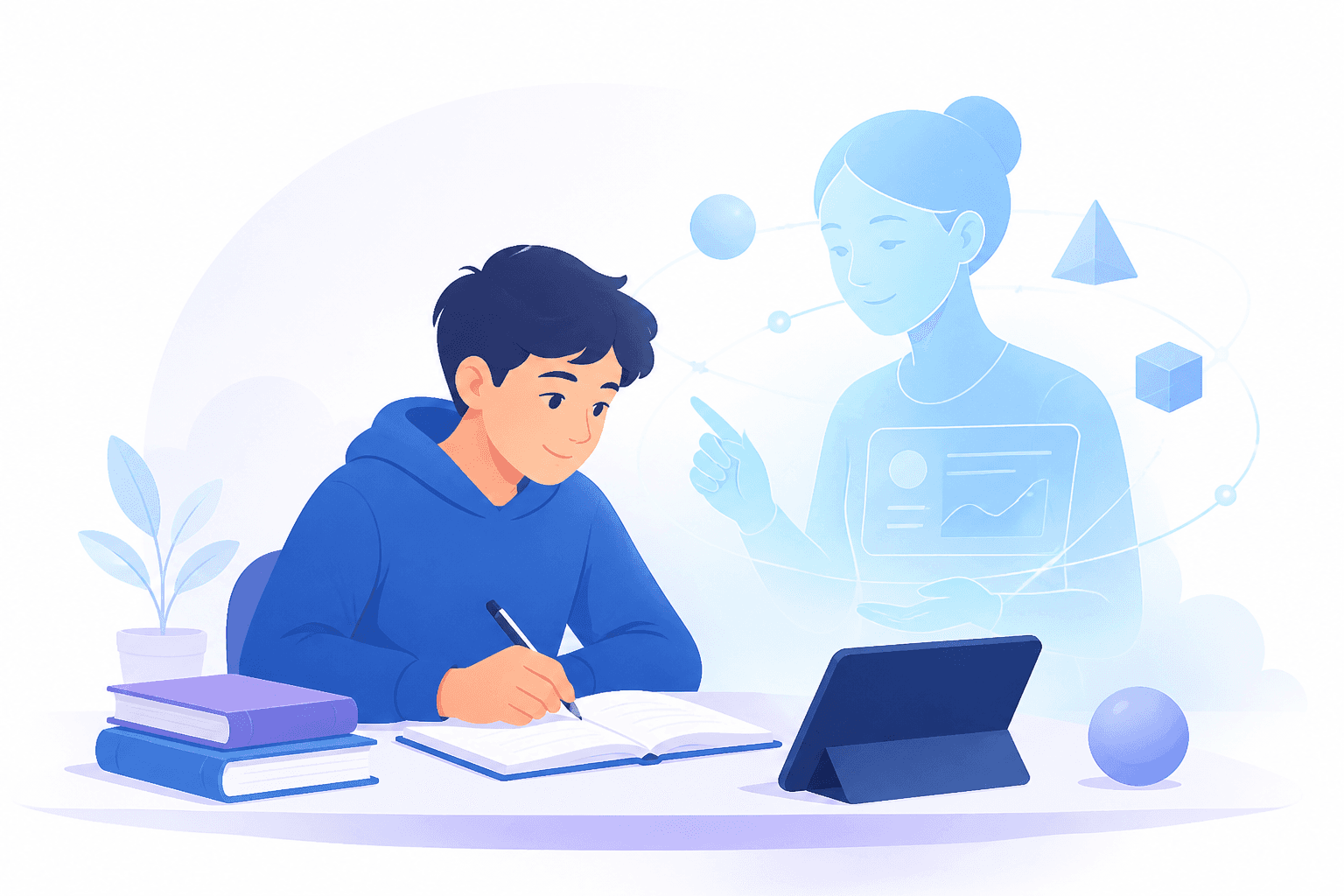
Sixty years of research, Rogier notes, point to the same finding: the best way to learn is one-on-one tutoring. So why do we still sit in rooms of twenty—or three hundred? Cost. A personal tutor for every learner was never affordable at scale, even though everyone knew it worked better.
When tutoring quality gets cheap
AI changes the cost curve. From recent practice, he argues, AI can already offer personalized guidance closer to one-on-one tutoring—often better than sitting in a lecture hall or only reading a book. He sketches a stark comparison: traditional elementary schooling costing on the order of twelve thousand dollars a year, undergraduate education around eighty thousand, versus something like a hundred dollars for comparable AI-assisted teaching quality.
He also cites a trend judgment: with AI-assisted learning, people may learn the same material in about 60% less time. Whether every school adopts that tomorrow is another question—the technical possibility is already on the table.
Institutions fear change more than tech fails
Rogier’s view: the biggest blocker is not capability, but institutions afraid of change. If one school bans AI and another lets students use it freely, the second group will pull far ahead. AI still cannot replace face-to-face interaction or social connection—but openness to the tools will widen gaps among children.
His sharper forecast: schools that cannot adapt to AI within about a decade will disappear, because they will fall too far behind. Li adds that the world graduates enter is itself being reshaped by AI—so schools must change. She believes every school and classroom should embrace AI, and every student should too.
Bring teachers into the conversation
At the same time, Li stresses a collective duty: include teachers and education leaders in the AI conversation, and show workable paths. Without that, adoption becomes either panic bans or silent cheating—neither of which serves students.
School is for forming people
The purpose of education, she argues, was never “use a tool well,” never only closed-book versus open-book, and never only standardized scores. It is to help people become meaningful contributors in their communities and live meaningful lives. AI should not strip any of those aims; it should help reach them more effectively.
Yet public debate often stalls on a binary: Is AI cheating? Should we confiscate it during exams? Those are the wrong center of gravity. The better questions are how to empower teachers and students, redesign classrooms and assessments, rethink admissions and resource allocation—and how to bring more learning resources to low-income urban communities, rural areas, and the Global South once quality teaching gets cheaper.
For parents and schools, the practical line is simple: treat AI as a tutoring engine that can widen access—and keep adult judgment on what education is for. Ban-first policies may feel safe; they risk leaving learners behind a curve that will not wait.